Reflective Journal Entry 1
Classroom presence, learning objectives, and questioning in Grade 11 chemistry lessons.
Download Journal 1 ↓Hind Al Ketbi · ID: 026500
Exploring my growth as a science educator through reflection, professional learning, and classroom experiences.
Explore My Journey →
My values and beliefs about inclusive, meaningful science learning.
Reflecting on my development as an effective educator.
Evidence of learning and classroom practice will be added here.
My name is Hind Juma Saeed Al Ketbi. I graduated from United Arab Emirates University (UAEU) in 2024 with a Bachelor’s degree in Biochemistry and a GPA of 3.74. During my university studies, I gained valuable experience in laboratory work, scientific research, and problem-solving. I am currently studying at Emirates College for Advanced Education (ECAE), specializing in teaching science subjects at the middle and secondary school levels.
My passion for science has inspired me to pursue a career in education, where I can share my knowledge and encourage students to explore the world of science. I believe that every student has the ability to learn and succeed when provided with the right support and encouragement. As I continue my educational journey, I aim to develop my teaching skills, create an inclusive and engaging classroom environment, and become a teacher who makes a positive difference in students’ learning experiences.

I believe that every student deserves to be appreciated, respected, and supported, regardless of their background or individual differences. As a future science teacher, I want my classroom to be a place where students feel safe, comfortable, and confident in their ability to learn. I believe that a teacher’s role goes beyond explaining lessons and delivering information. A good teacher should understand students’ needs, encourage them to participate, and help them believe in themselves.
My teaching philosophy is guided by the importance of respect, inclusion, and positive relationships. I believe that students bring different experiences, cultures, and abilities into the classroom, and these differences should be respected and valued. I want to give every student a fair opportunity to learn, express their ideas, and develop their skills. I also believe that learning becomes more meaningful when students communicate, share their thoughts, and learn from one another.
I strongly believe that parents play an important role in their children’s education. Teaching and learning should not be limited to the classroom, as students also need encouragement and support at home. For this reason, I value building positive relationships with parents, maintaining regular communication, and working together to support students’ progress and development.
Through my teaching journey, I hope to become a teacher who makes students feel valued and motivated to succeed. I want to continue improving my teaching practices, understanding my students, and creating a learning environment where everyone has the opportunity to grow. Above all, I want my students to remember me as a teacher who believed in them, supported them, and encouraged them to achieve their best.
As part of my professional development at Emirates College for Advanced Education (ECAE), I completed my school placement at Um Al Emarat Secondary School in Al Ain, where I was supervised and evaluated by my school-based mentor, Ms. Amal Abdullah Alkaabi. The Summative Learn-to-Teach Evaluation Form (SLEF1) reflects my professional growth and developing teaching competencies during the observation phase of my practicum. The evaluation is based on the National Educators Competency Framework (NECF) and provides valuable feedback on my professional strengths, teaching practices, and areas for further development.
View Original SLEF1 Evaluation ↗
Cultural appreciation and sensitivity; professional ethics; lifelong professional learning and research.
Care and wellbeing; differentiated teaching; future-readiness; technological innovation; communities of practice.
Curriculum expertise; pedagogic practices; assessment; glocalisation; parent partnerships.
Overall readiness to teach: Partially ready. This reflects the observation phase of PPP1 and opportunities for continued development with mentor support.
My SLEF1 evaluation provided valuable insight into my strengths and areas for professional development. The feedback highlighted my commitment to professional ethics, cultural appreciation, and continuous learning. I was particularly encouraged by my mentor’s recognition of my professionalism, respect, initiative, and willingness to improve.
The evaluation also helped me identify areas where I need further practical experience, particularly in lesson planning, instructional strategies, assessment practices, and communication with parents. As I am still developing my teaching competencies, I understand the importance of gaining more classroom experience and applying feedback from my mentor.
Reflecting on these results, I aim to strengthen my ability to plan effective science lessons, use different assessment methods, and respond to students’ learning needs. This evaluation has encouraged me to continue developing as a reflective, ethical, and accountable educator who is committed to providing a supportive and inclusive learning environment.
These attendance and participation logs document my engagement in school-based activities during my teaching practicum at Um Al Emarat Secondary School. They reflect my participation in lesson observations, assisting teachers, lesson planning, preparing teaching materials, and professional development activities. The logs also provide evidence of my commitment to professional responsibilities, active participation, and continuous learning throughout my school placement.
Reflection is an essential part of my professional development as a future science teacher. It allows me to examine classroom experiences, identify effective teaching practices, and recognise areas that need improvement. Through my reflective journals, I connect educational theories with real classroom observations and consider how different teaching strategies influence students’ learning and participation. These reflections help me develop a deeper understanding of lesson planning, classroom communication, questioning, and differentiated instruction. By reflecting on my experiences and learning from experienced teachers, I aim to continuously improve my teaching skills and become a more confident, reflective, and effective educator.
Classroom presence, learning objectives, and questioning in Grade 11 chemistry lessons.
Download Journal 1 ↓Classroom interaction, lesson planning, and differentiated teaching in chemistry lessons.
Download Journal 2 ↓A reflection on my professional growth during school placement, connecting classroom observations, mentoring, course learning, and future goals through description, evaluation, analysis, and conclusion.
Download Final Reflection ↓These four observation records document my professional learning through observing chemistry lessons, discussing teaching practices with my mentor, and reflecting on ways to support students' understanding and participation.
Lesson planning, assessment criteria, and activities for learning how ions form through electron transfer.
Download I-LOR 1 ↓Assessment criteria, classroom interaction, and safe, inclusive laboratory learning.
Download I-LOR 2 ↓Teacher communication, clear learning objectives, and effective questioning about energy changes.
Download I-LOR 3 ↓Classroom presence, learning activities, and supportive classroom management during enthalpy calculations.
Download I-LOR 4 ↓A curated selection of classroom resources, chemistry teaching activities, student learning evidence, and practical laboratory experiences from my school placement.
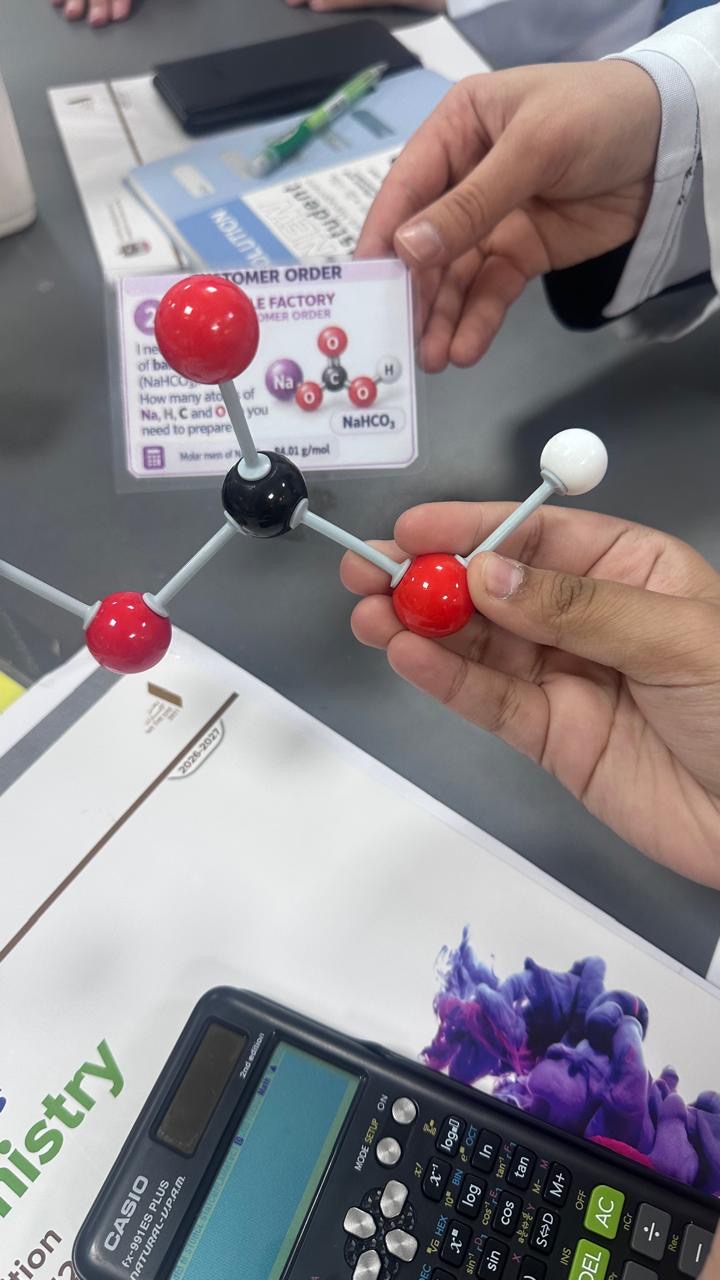
Students use a ball-and-stick model to explore molecular structure and chemical bonding.
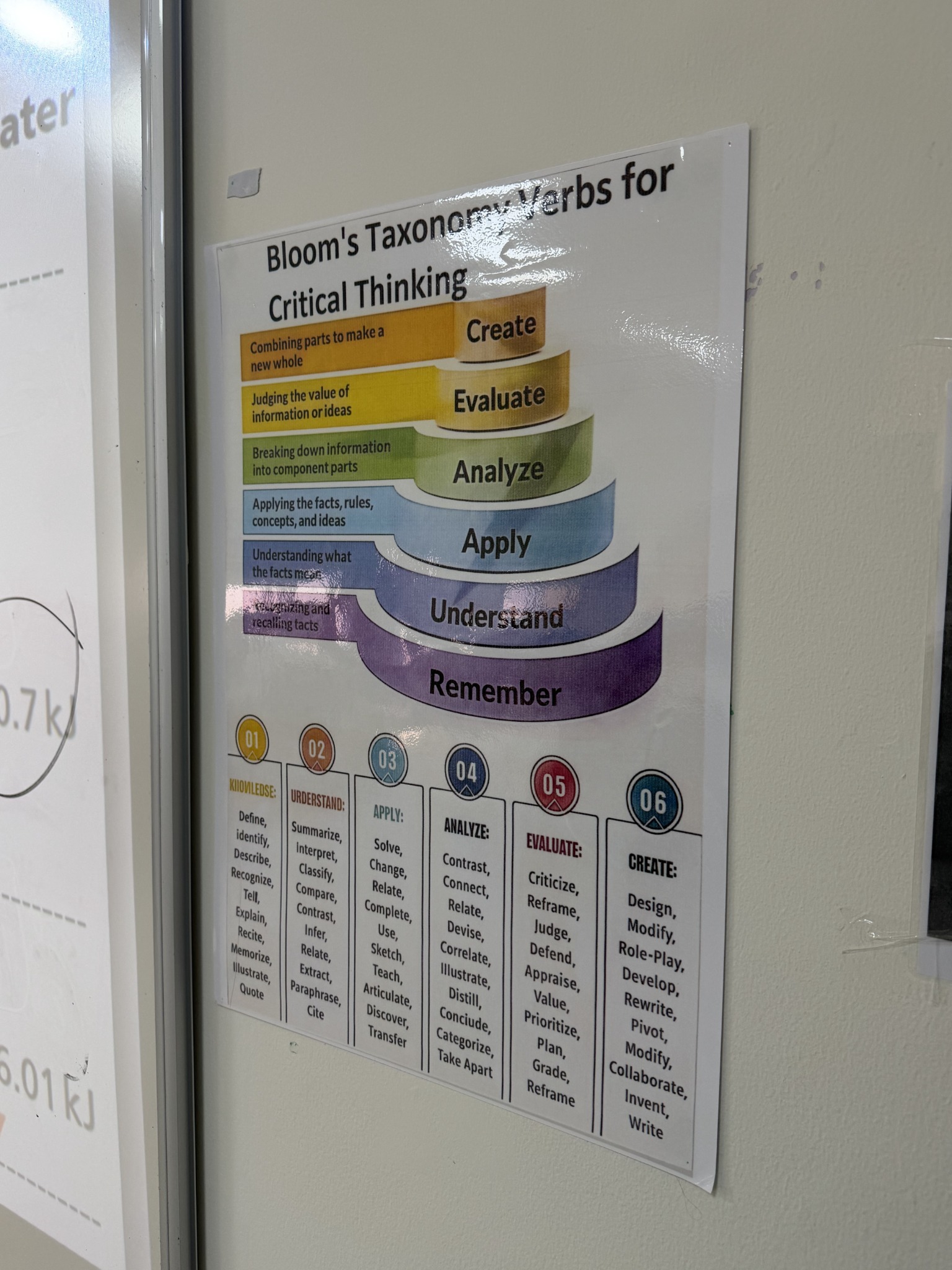
A classroom reference supporting different levels of questioning and critical thinking.
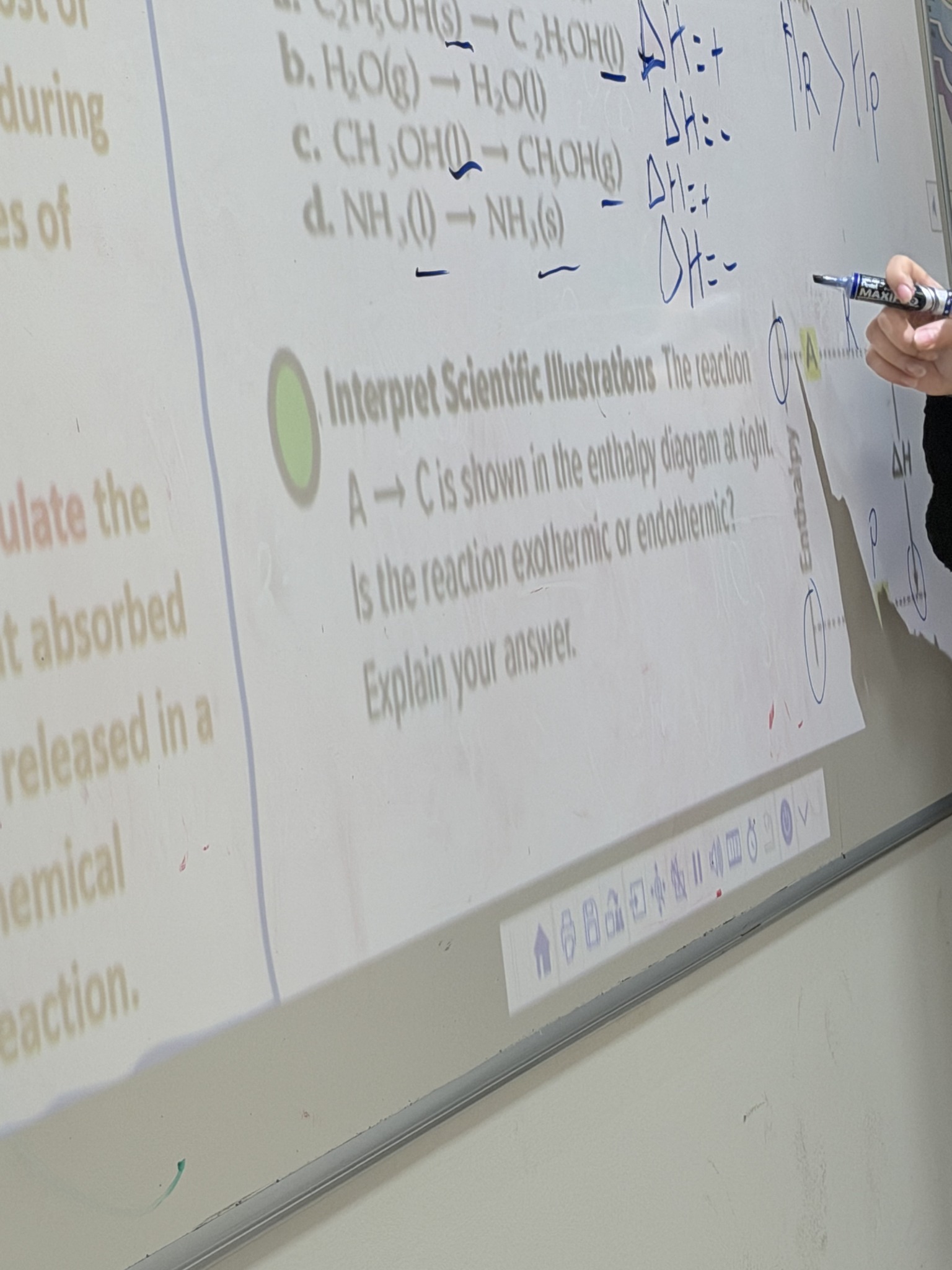
Visual questions help learners distinguish exothermic and endothermic reactions.
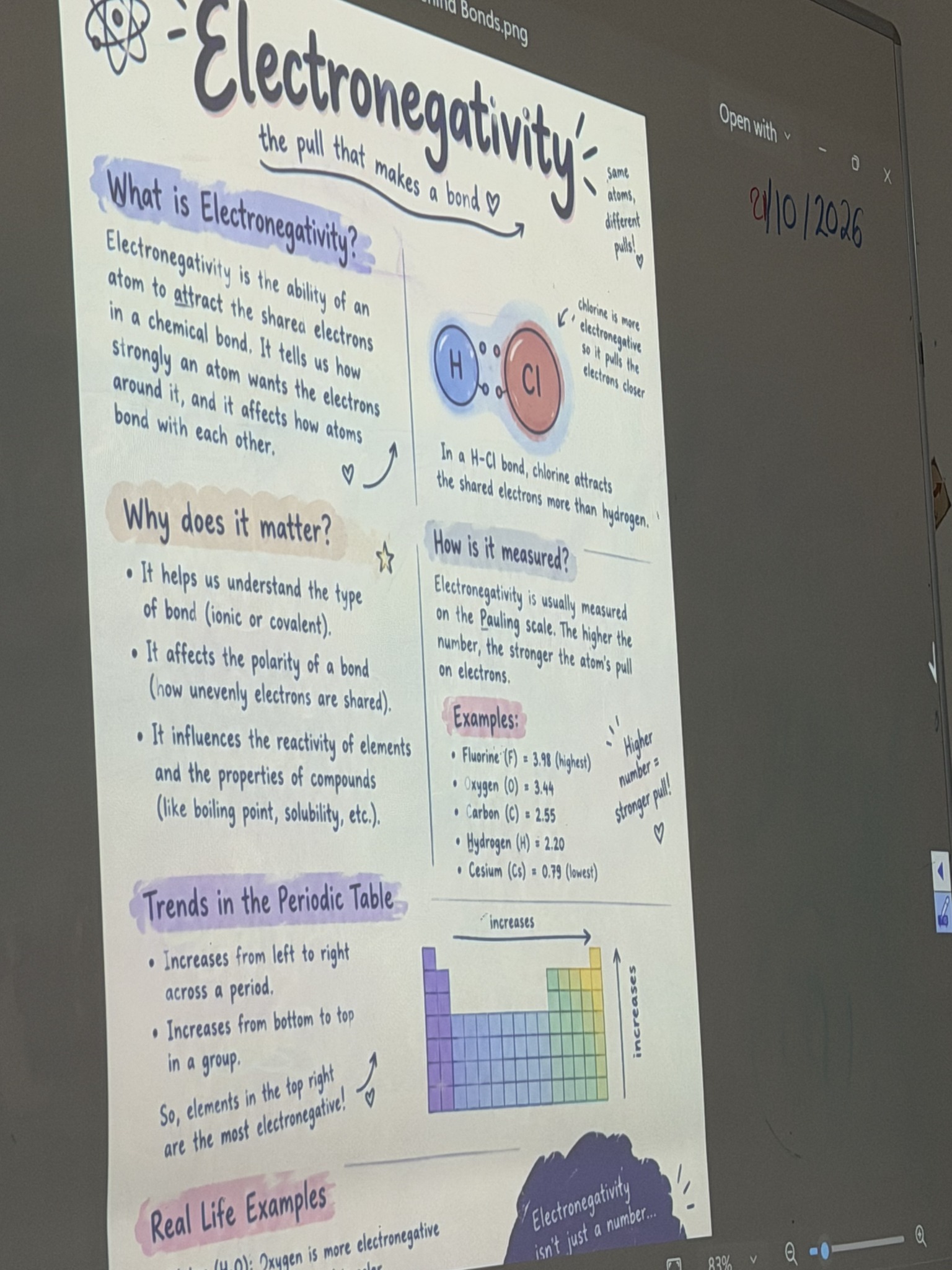
A visual resource explains electronegativity and periodic trends.
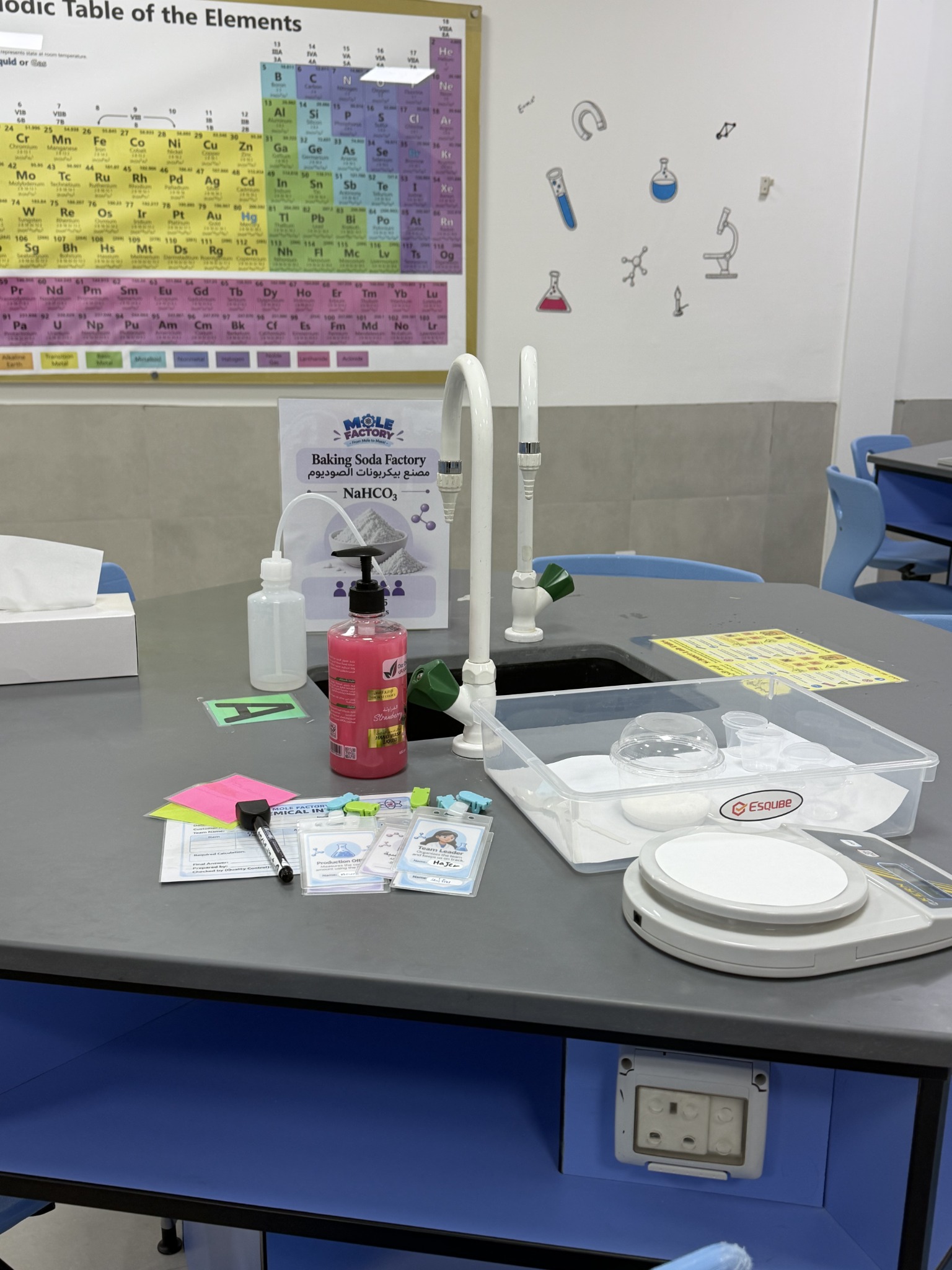
Laboratory equipment and resources prepared for a practical chemistry activity.
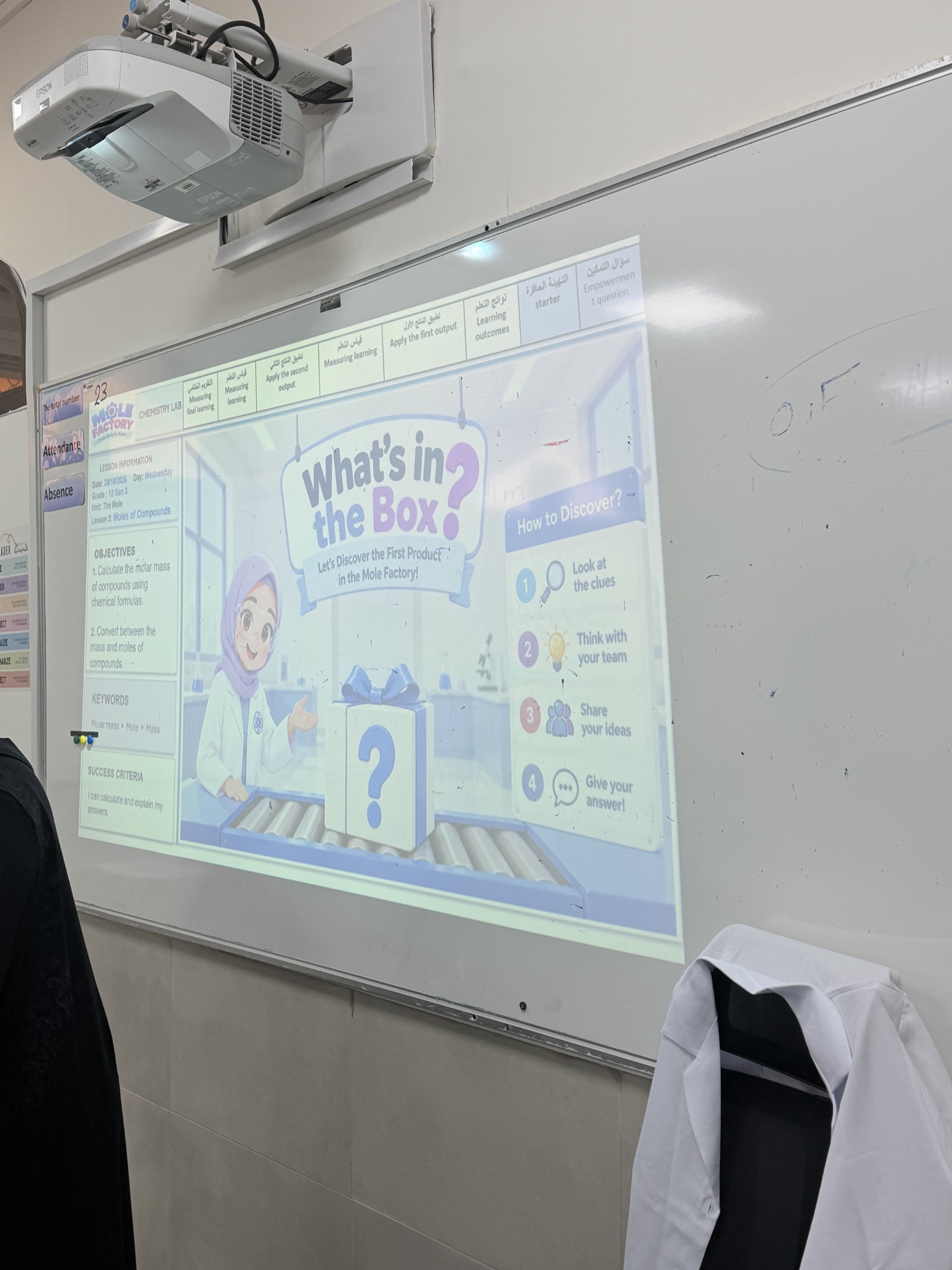
A mystery-box activity encourages curiosity and collaborative discussion.
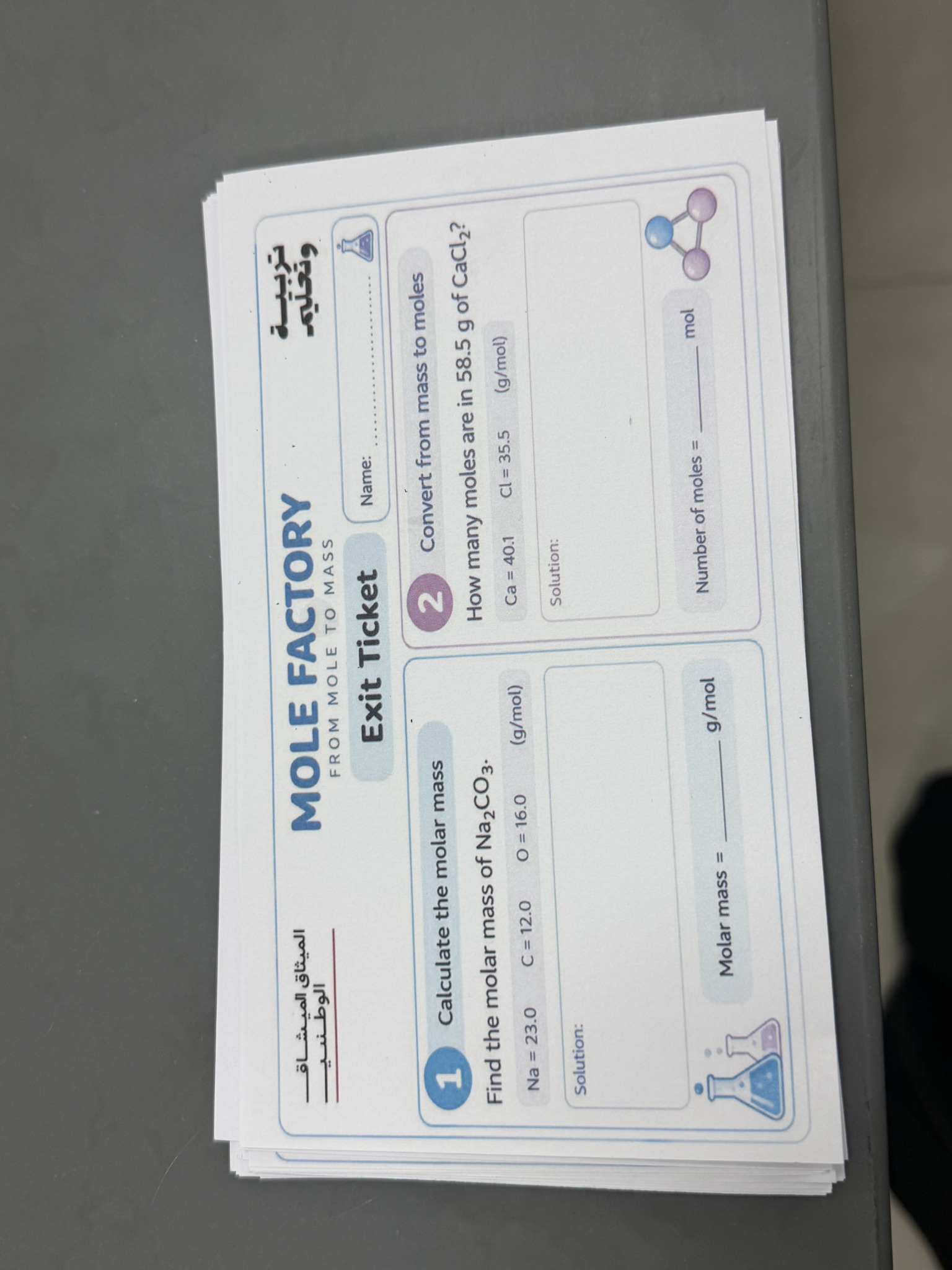
A short exit ticket checks students’ understanding of molar mass and mole calculations.
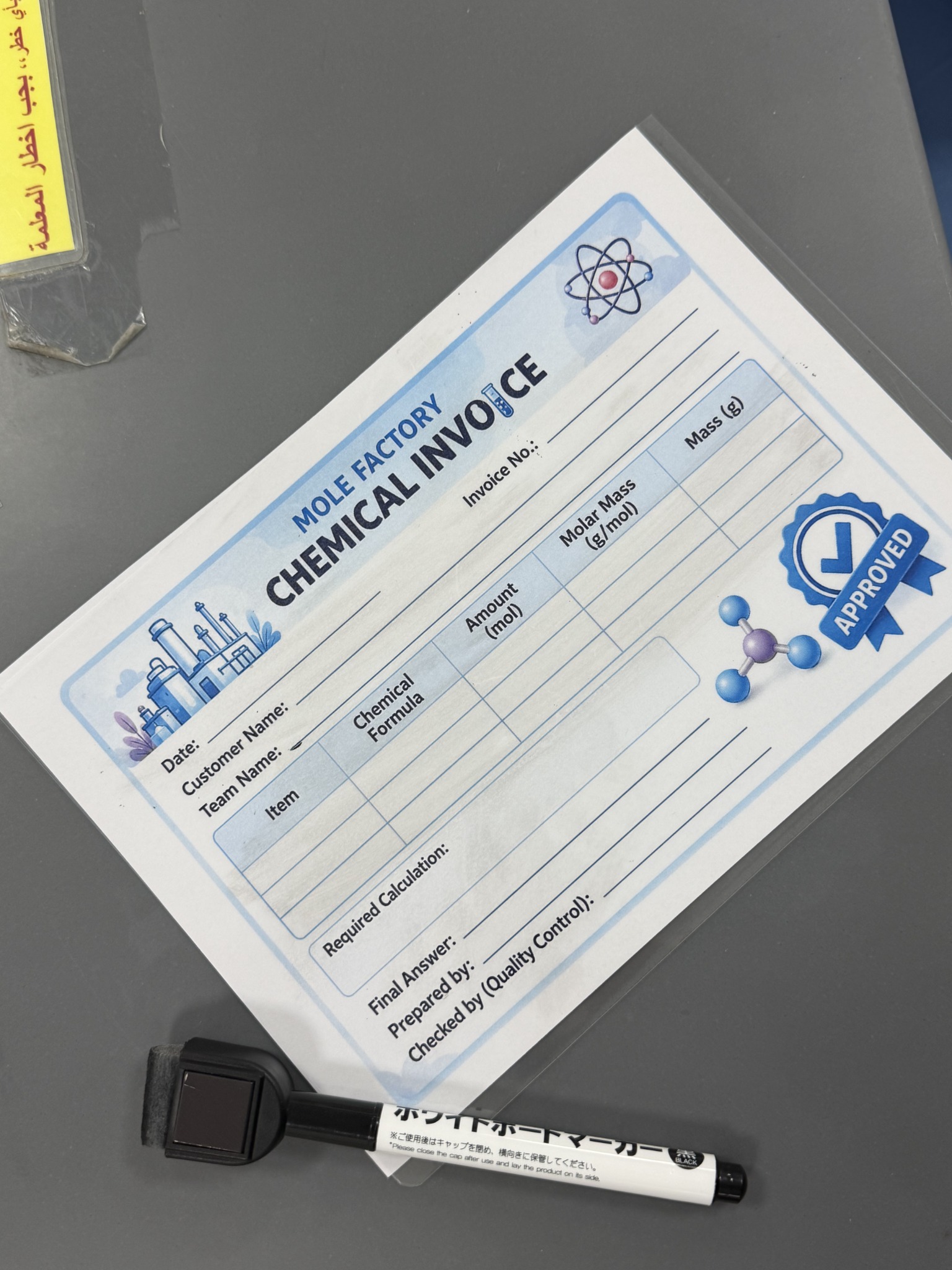
A creative task connects chemical formulas, molar mass, and practical calculations.
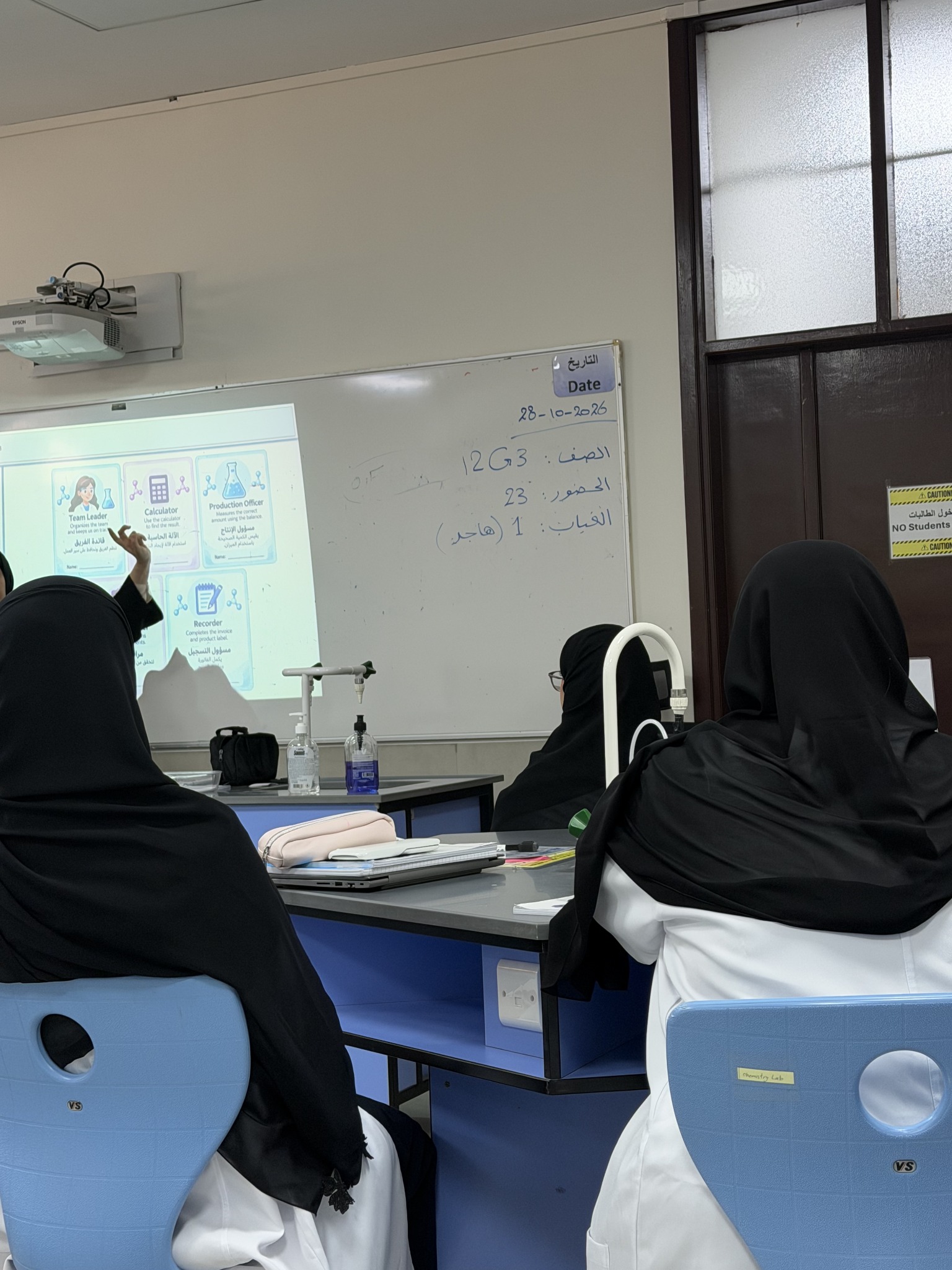
Students work together during an interactive chemistry lesson.
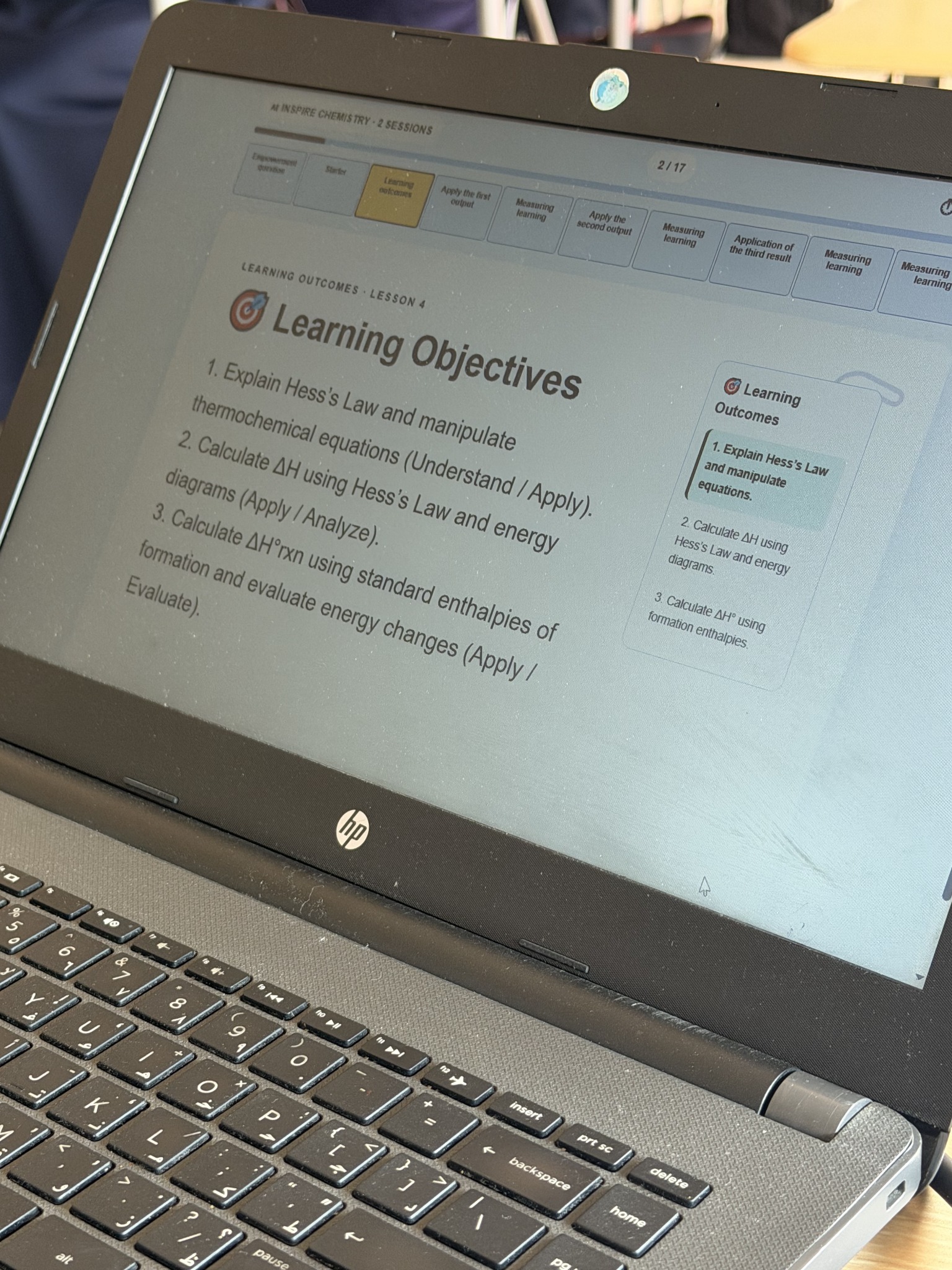
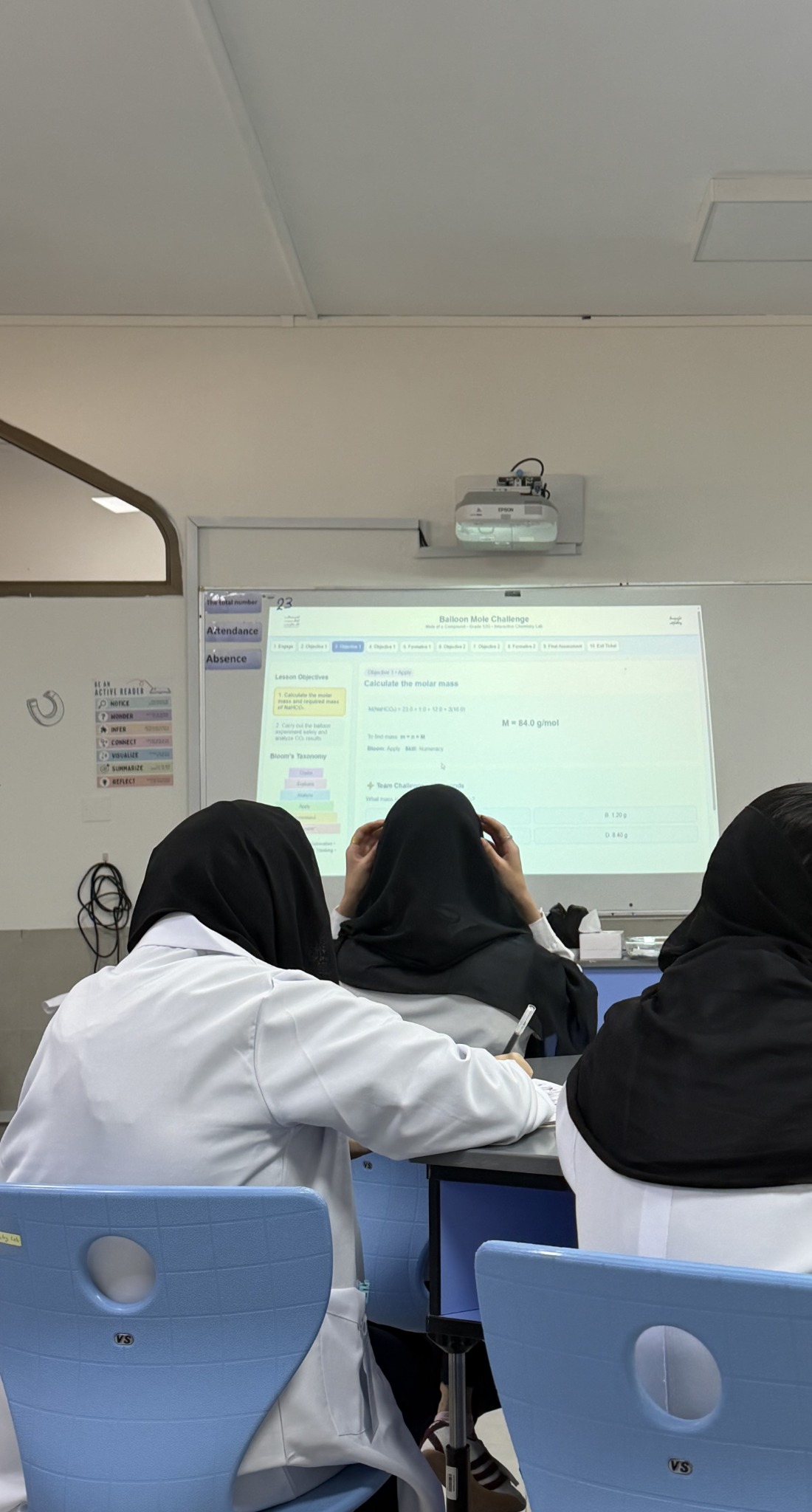
Lesson objectives guide students through enthalpy calculations and energy changes.
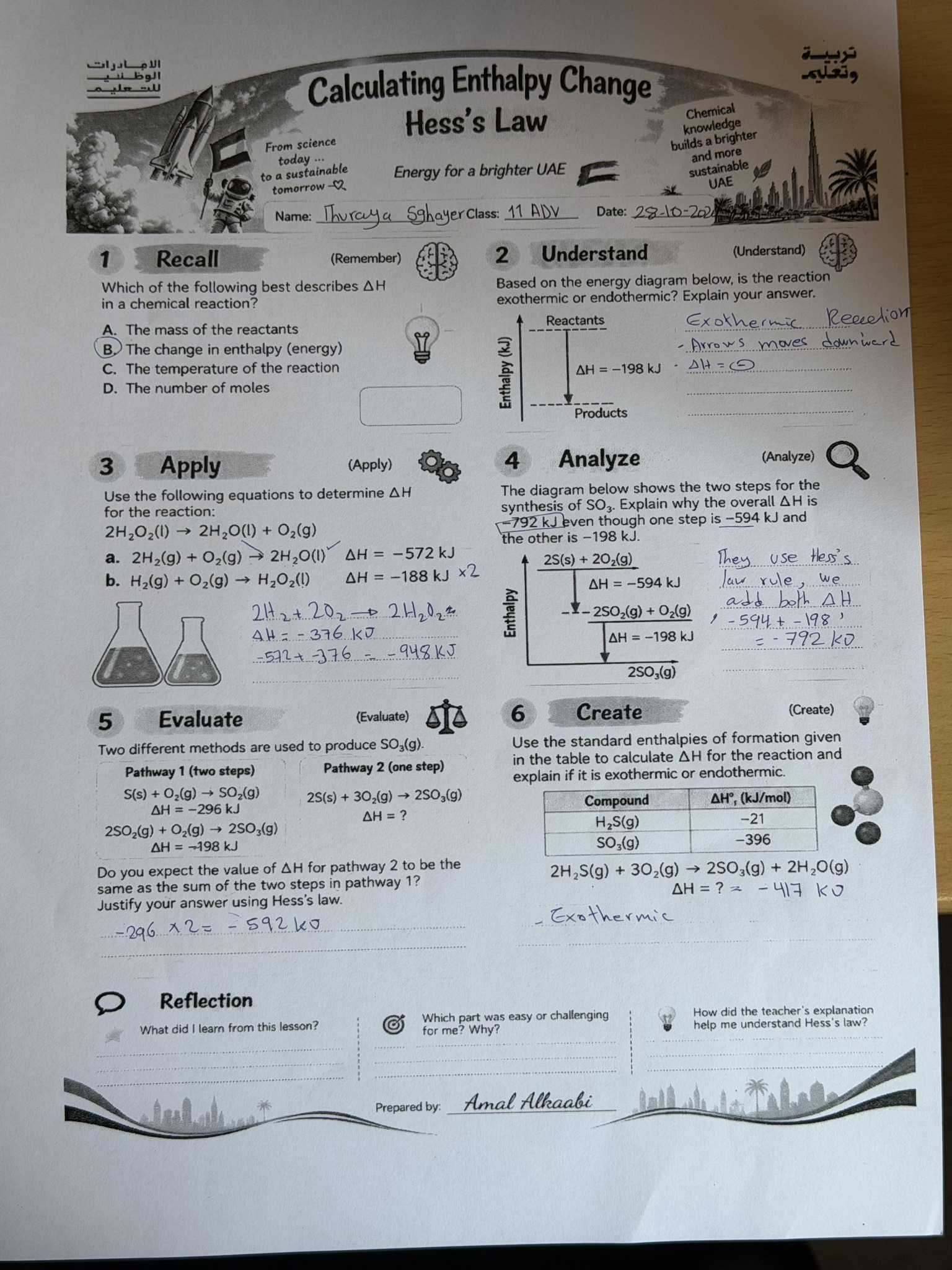
Student work provides evidence of understanding across different cognitive levels.
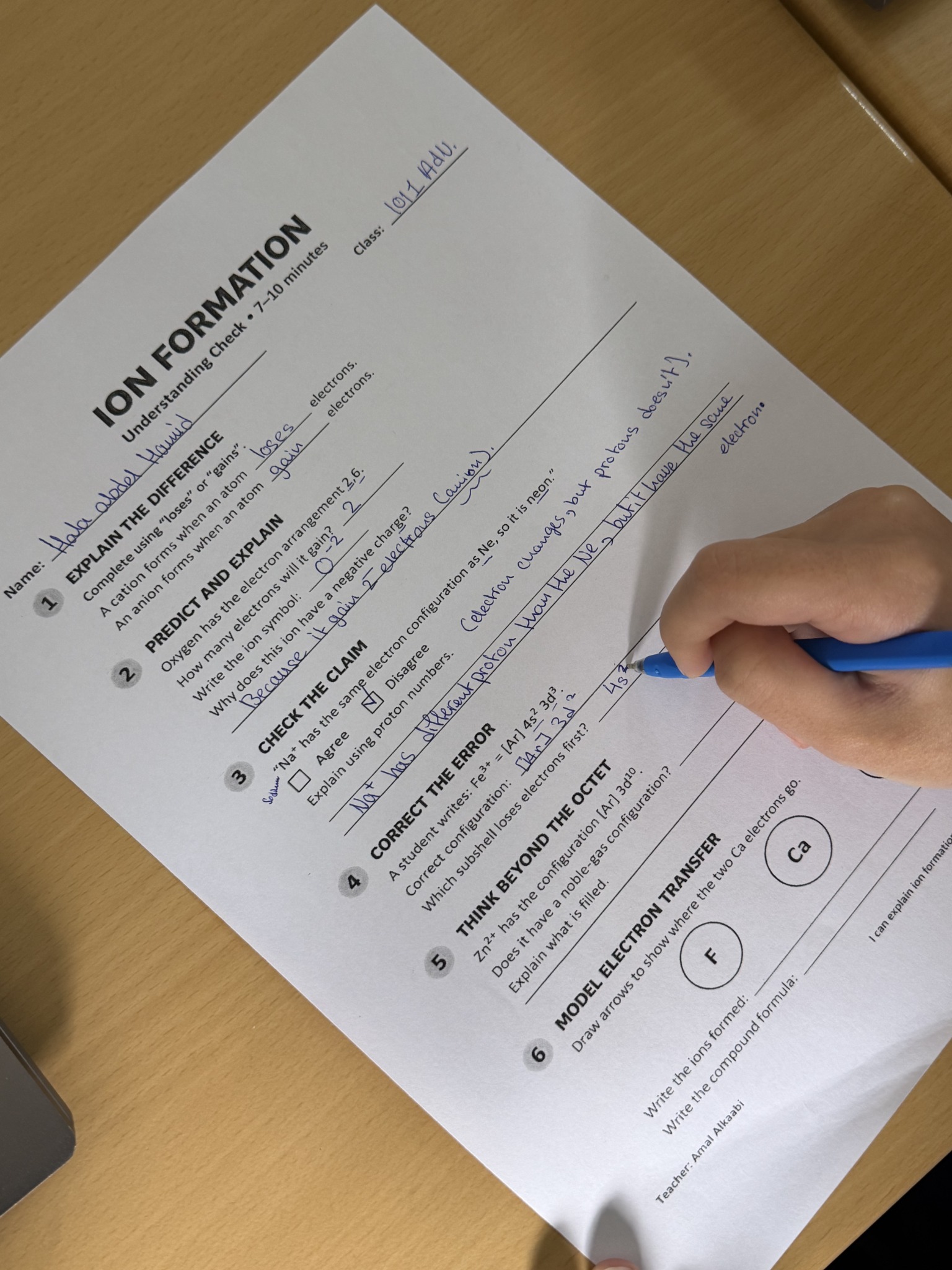
Formative assessment checks understanding of ion formation and electron transfer.
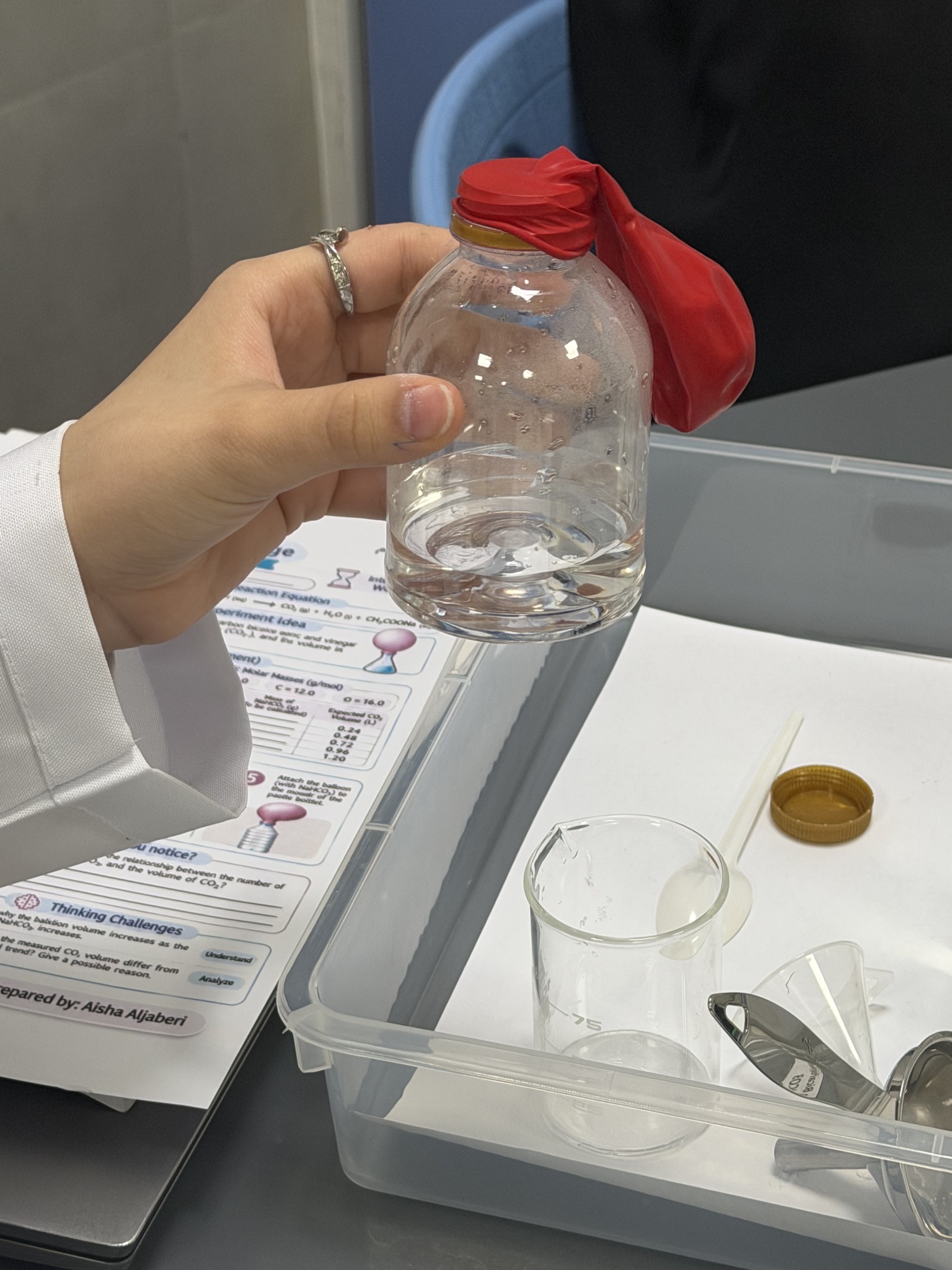
A balloon-and-bottle activity supports observation of gas production.
A digital balance is used to measure material during an experiment.